
AscendAI for Luxury Hospitality
Elevate what is already exceptional.
We help luxury hospitality organizations use AI to improve guest experience, increase operational leverage and accelerate performance, without changing what makes the brand exceptional.
Our point of view
Luxury hospitality does not need more technology. It needs greater capability.
Your people should stay focused on guests, owners and the operation. They do not need to become AI experts. AscendAI works with your team to identify where pressure exists, redesign the workflow where needed, and build the AI around the way your organization actually works.
The goal is not to make hospitality feel more automated. It is to make exceptional people more capable of delivering exceptional hospitality.
The Opportunity in the Gaps
Your systems are doing their jobs. The opportunity is in the gaps.
Information is spread across systems, departments and people. Small disconnects can delay visibility, slow decisions and cause missed opportunities.
This is where AI creates leverage.
AscendAI first uses the native capabilities of the systems you already own. Where gaps remain, we connect the information and surface what matters sooner.
Make the technology you already own work more for you.
Better visibility. Faster decisions. Stronger service. More opportunity.
Where AI creates leverage
Build intelligence around the moments that matter.
Guest & Owner
Elevate the experience
Preferences, arrivals, service recovery, concierge support, owner communications and repeat-guest intelligence.
Revenue & Commercial
See opportunity sooner
Demand, occupancy, pricing, distribution, group sales, marketing performance and competitive signals.
Hotel Operations
Remove operational friction
Daily briefs, handoffs, exception management, housekeeping, engineering, procurement and coordination.
Employee Knowledge
Bring standards to the moment
SOPs, training, onboarding, service standards, HR guidance and real-time role-specific guidance that helps employees elevate service in situations as they happen.
Food & Beverage
Plan with more intelligence
Demand forecasting, inventory, purchasing, menu economics, labor and management planning.
Executive Intelligence
Focus leadership attention
Cross-property performance, operating exceptions, revenue outlook, priorities and decision support.
The AI Maturity Journey
From experimentation to AI-enabled luxury hospitality.
Every luxury hospitality group is starting from a different place. The opportunity is to move deliberately from isolated use to AI that improves how the business performs.
01
Exploring
Individuals are testing AI, but use is informal, inconsistent, and disconnected from business priorities.
02
Organized
Approved tools, governance, training, ownership, and priority areas begin to bring AI into the business with structure.
03
Embedded
AI becomes part of repeatable workflows across functions and starts changing how work gets done.
04
Performance-Driven
AI is delivering measurable improvements in guest experience, revenue, productivity, and operating performance.
05
AI-Enabled Luxury Hospitality
AI becomes a durable capability across the enterprise, continuously improving decisions, connecting teams and systems, and strengthening performance without changing what makes the brand exceptional.
AscendAI meets you wherever you are today and helps accelerate your progress across the journey.
How We Engage
Start where you are. Build what matters.
Every luxury hospitality group begins from a different level of AI maturity. AscendAI helps you progress from alignment and assessment through activation, execution, and ongoing optimization.
01
Executive Alignment
Align leadership on where AI can create value, establish the vision, and define the right next step.
02
AI Diagnostic
Benchmark each functional area against what good looks like, identify the gaps, and prioritize where AI can have the greatest business impact.
03
90-Day Foundation & Activation
Build the governance and operating foundation, activate users, identify priority workflows, and create the roadmap, ROI expectations, backlog, and budget for execution.
04
AI Operating Partnership
Execute priority workflows, support adoption, measure impact, optimize what is working, and continuously recommend what comes next.
05
Strategic Builds
Deliver larger cross-system, integrated, or custom AI solutions when the opportunity justifies a deeper investment.
The AscendAI model
Let your people do what they do best. Use AI to create leverage around them.
Your team should stay focused on guests, owners and operations. AscendAI identifies where AI can remove friction, improve decisions or raise the level of service, then designs and builds the solution around the way your organization works.
Your Team
Guest experience, judgment, relationships and hospitality expertise.
AscendAI
Business analysis, workflow engineering, AI solution design and implementation, including the systems, data and AI that create leverage behind the scenes.
Your Team + AscendAI = Better Guest Experience, Revenue Growth, Improved Operating Performance
You bring the hospitality expertise. We bring the AI capability, from workflow discovery and process redesign through data, integrations, implementation and adoption.
Stein Eriksen Lodge
From AI foundation to measurable business value.
AscendAI helped Stein establish the foundation for enterprise AI, including its AI vision, usage policy, governance model and organizational rollout.
Activate the business
We then worked with a controlled group of 15 executives and corporate directors to identify where AI could create measurable impact across their business functions.
Opportunity
54
AI workflow opportunities identified across the business.
Operating Impact
$247,987
Conservatively projected reduction in annual operating cost.
Return
10X
Projected return on invested capital.
Turn opportunity into execution
The workflows were evaluated and prioritized based on business impact, feasibility and expected return, creating a clear roadmap for what Stein should execute first.
From governance to opportunity discovery to quantified business impact, AscendAI created the foundation and roadmap for Stein’s next stage of AI adoption.
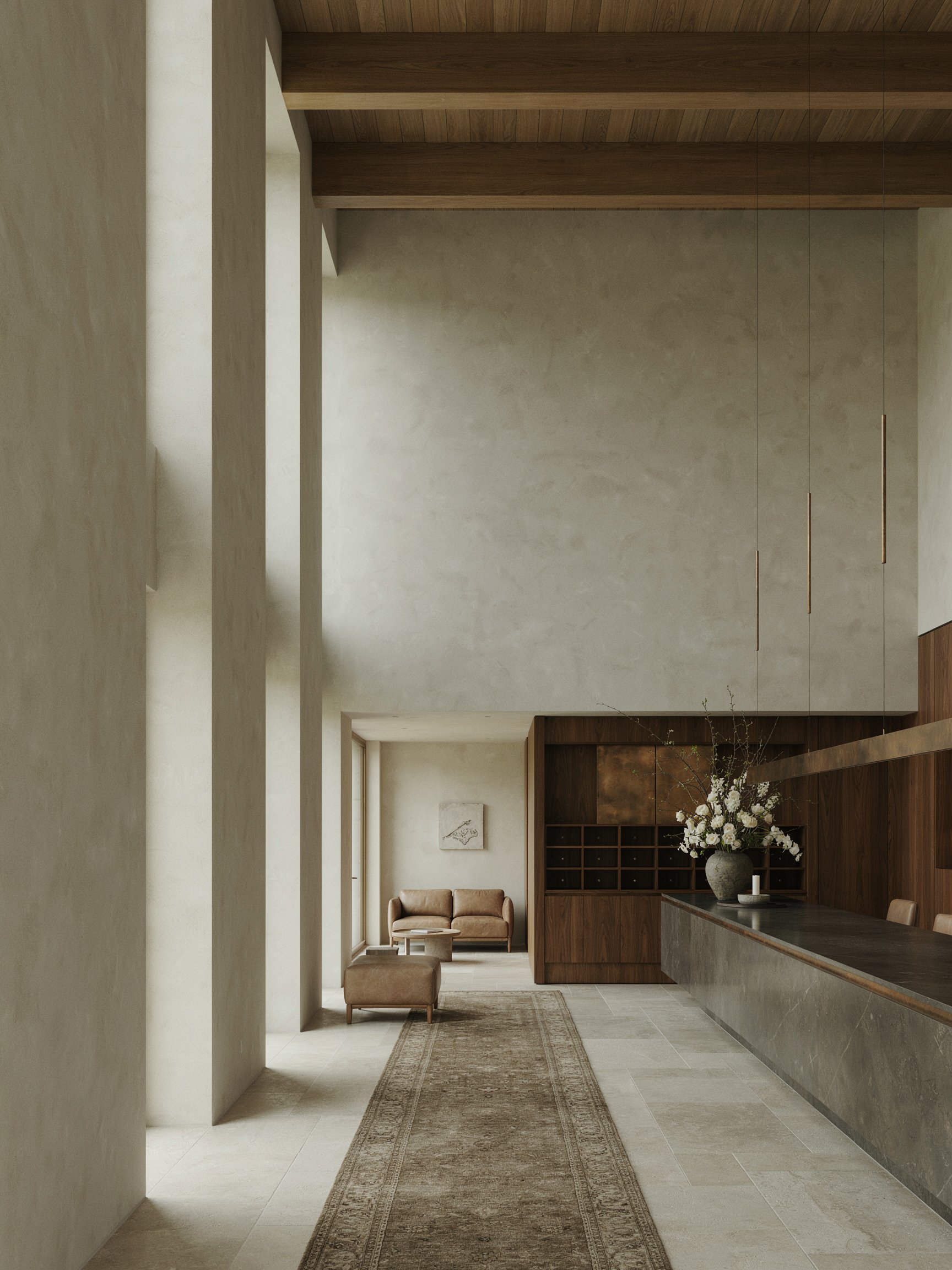
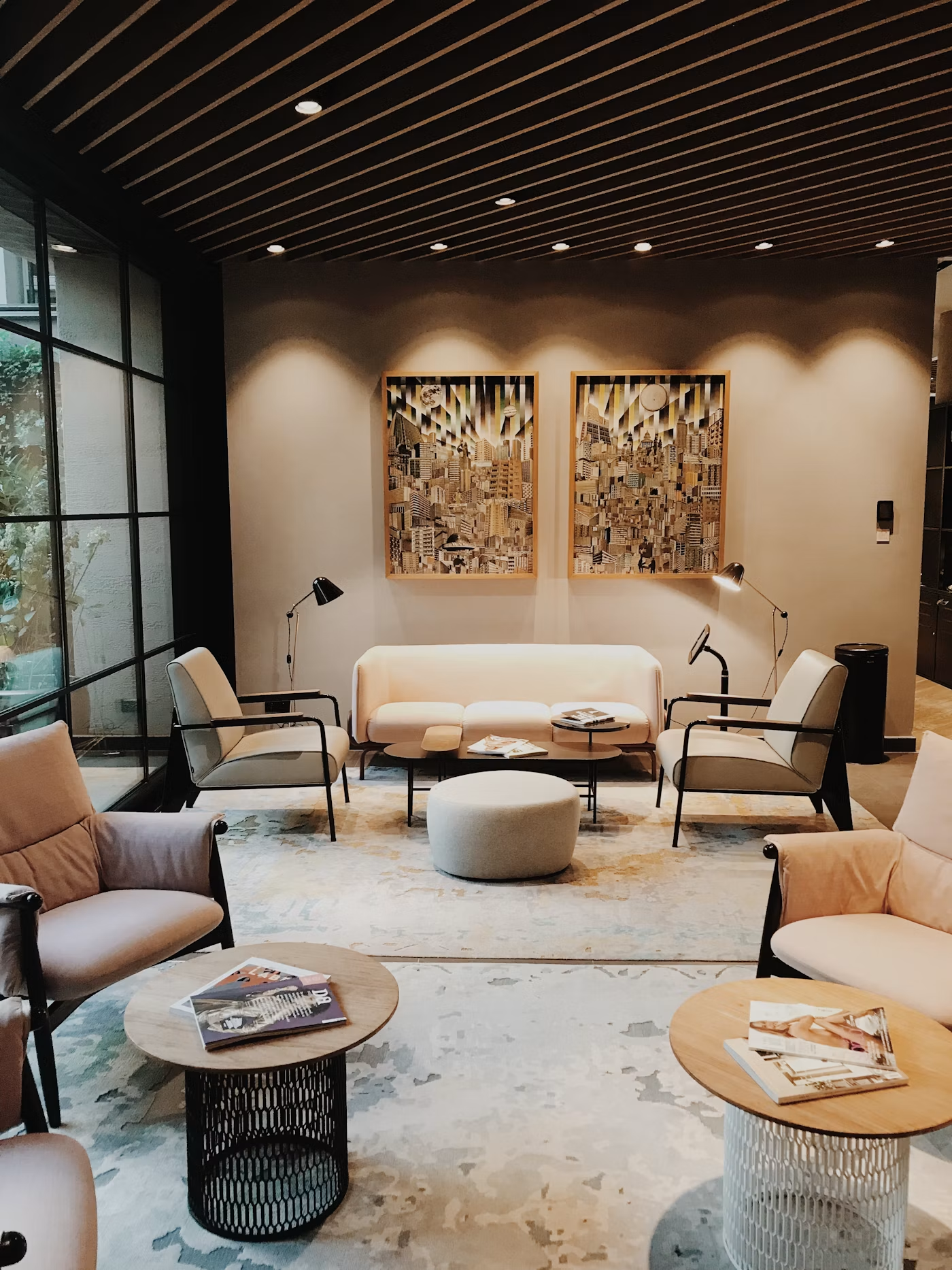
Designed for luxury organizations
Built for hospitality brands with a legacy worth protecting.
The best luxury organizations evolve without losing what made them exceptional. AscendAI brings modern AI capability into the business while protecting the judgment, service culture and human experience that define the brand.
Where do you go from here?
Build the next standard of luxury hospitality.
Your organization already knows how to deliver exceptional hospitality. AscendAI helps you see what becomes possible when AI is built around it.
Questions
Common questions
Does AI change what guests experience?
AI should not change what guests experience, and in a well-run engagement it does not. The work concentrates on the business behind the experience: how knowledge moves, how reports get assembled, how teams coordinate, and how leaders see the operation.
Do we need to replace our property management system or our other core systems?
No. AscendAI evaluates current systems and vendor capability before building anything, and using what you already own is part of the AI capability AscendAI brings to your team. Often the right answer is switching on capability the property already pays for rather than buying something new.
How is guest and employee data handled?
The work is an assessment, not a data migration. Discovery works from conversations, process walkthroughs, and system inventories rather than from bulk guest records, and any specific data handling terms are agreed in writing before work begins. AscendAI will walk your technology and legal leads through its current practices on request.
Who at our property has to be involved?
The executive team has to be involved in alignment and in selecting what gets built, and department leaders have to be involved in surfacing and quantifying workflows. That involvement is deliberate. The people who will use a workflow are the ones who nominate it, which is how adoption gets settled at the front end.
What if we already have AI tools in use?
That is what the AI Diagnostic is for. The work becomes proving what the existing footprint is worth rather than establishing permission to use it. You name the area under most pressure, AscendAI benchmarks that functional area against what good looks like, and every opportunity comes back with a business number and a difficulty score before anyone commits spend.
Does this work for a single property or for a collection?
Both. The sequence is the same either way. A collection changes what gets prioritized, because shared services, cross-property reporting, and portfolio-level knowledge tend to surface as higher-value opportunities than they do at a single property.
What does an engagement cost?
Pricing depends on the scope of the property and the number of workflows involved, so it is discussed directly rather than quoted from a rate card. Start the conversation and the scope and the fee are established there.